GloNoise Partnership Underwater Radiated Noise Toolkit Workshop: South Africa
Aquatera was pleased to support delivery of the first Underwater Radiated Noise (URN) Toolkit Workshop under the GEF-UNDP-IMO GloNoise Partnership.
The GloNoise Partnership, is part of the International Maritime Organization’s collaboration with the United Nations Development Programme (UNDP) and the Global Environment Facility (GEF), and aims to address the impacts of underwater noise on marine life.
Commencing in late 2023, the two-year long project involves six Lead Pilot Countries: Argentina, Chile, Costa Rica, India, South Africa, and Trinidad and Tobago, and three Twinning Partner Countries: Georgia, Madagascar, and Malaysia.
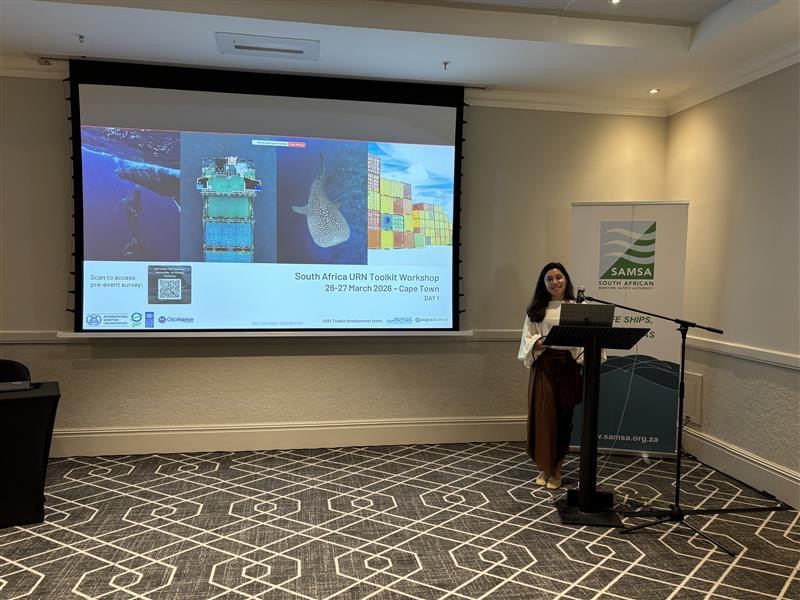
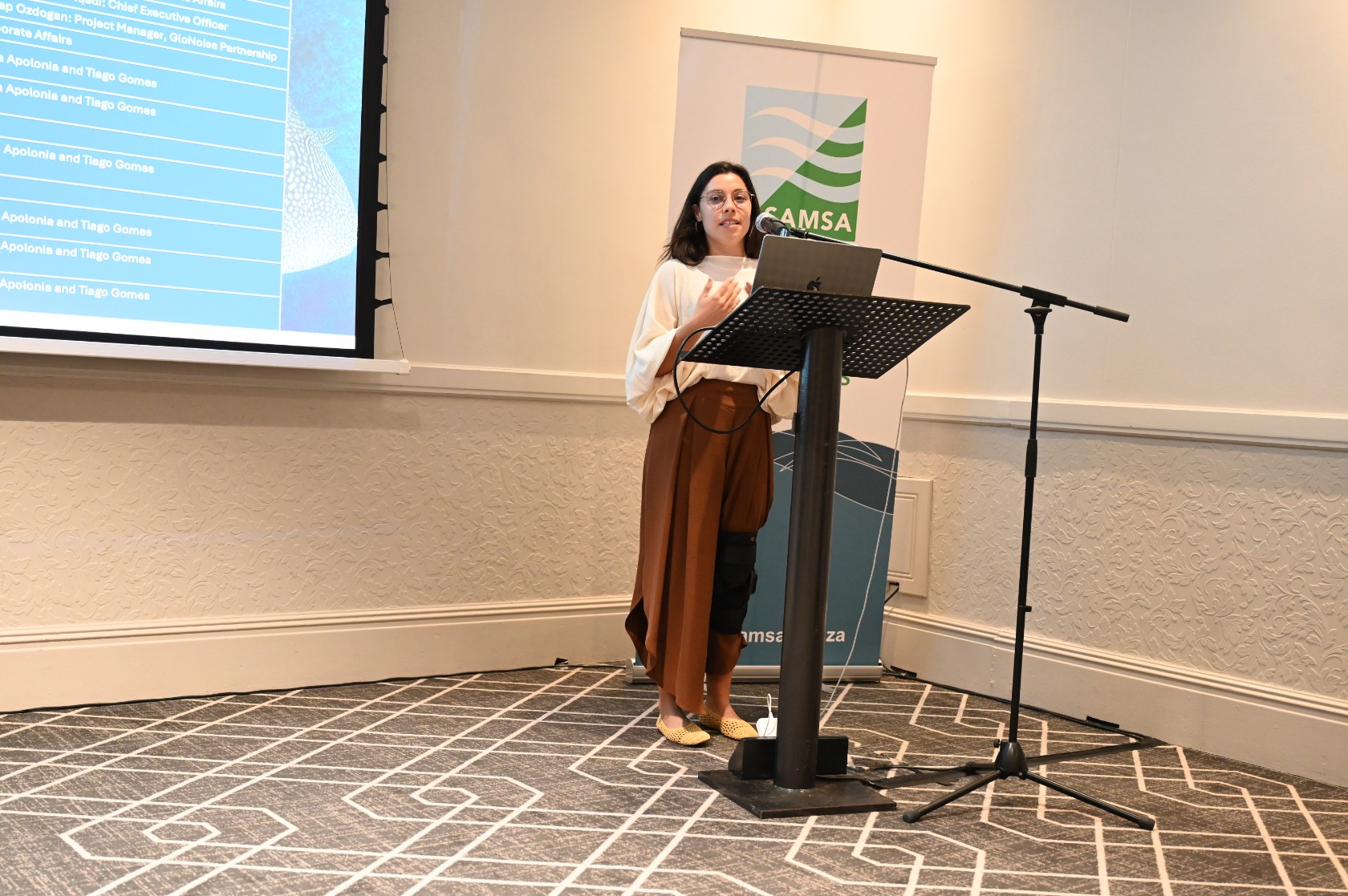
Held last week in South Africa, the two-day hybrid workshop was delivered by blueOasis and Aquatera, with support from the GloNoise Project Coordination Unit (PCU), and hosted by the South African Maritime Safety Authority (SAMSA). The workshop focused on strengthening national capacity to assess and reduce the impacts of URN from shipping, using the new GloNoise URN Assessment Toolkit.
Developed by blueOasis, the toolkit is designed to support implementation of the International Maritime Organization (IMO) Revised Guidelines for the Reduction of URN from Shipping to Address Adverse Impacts on Marine Life.
The event successfully brought together experienced professionals from across South Africa’s maritime and environmental sectors, creating a valuable space for practical learning, technical exchange and collaboration. We were also pleased to welcome representatives from Madagascar and Tanzania, to broaden the wealth of experienced professionals and encourage regional cooperation, peer learning and cross-sector knowledge sharing.
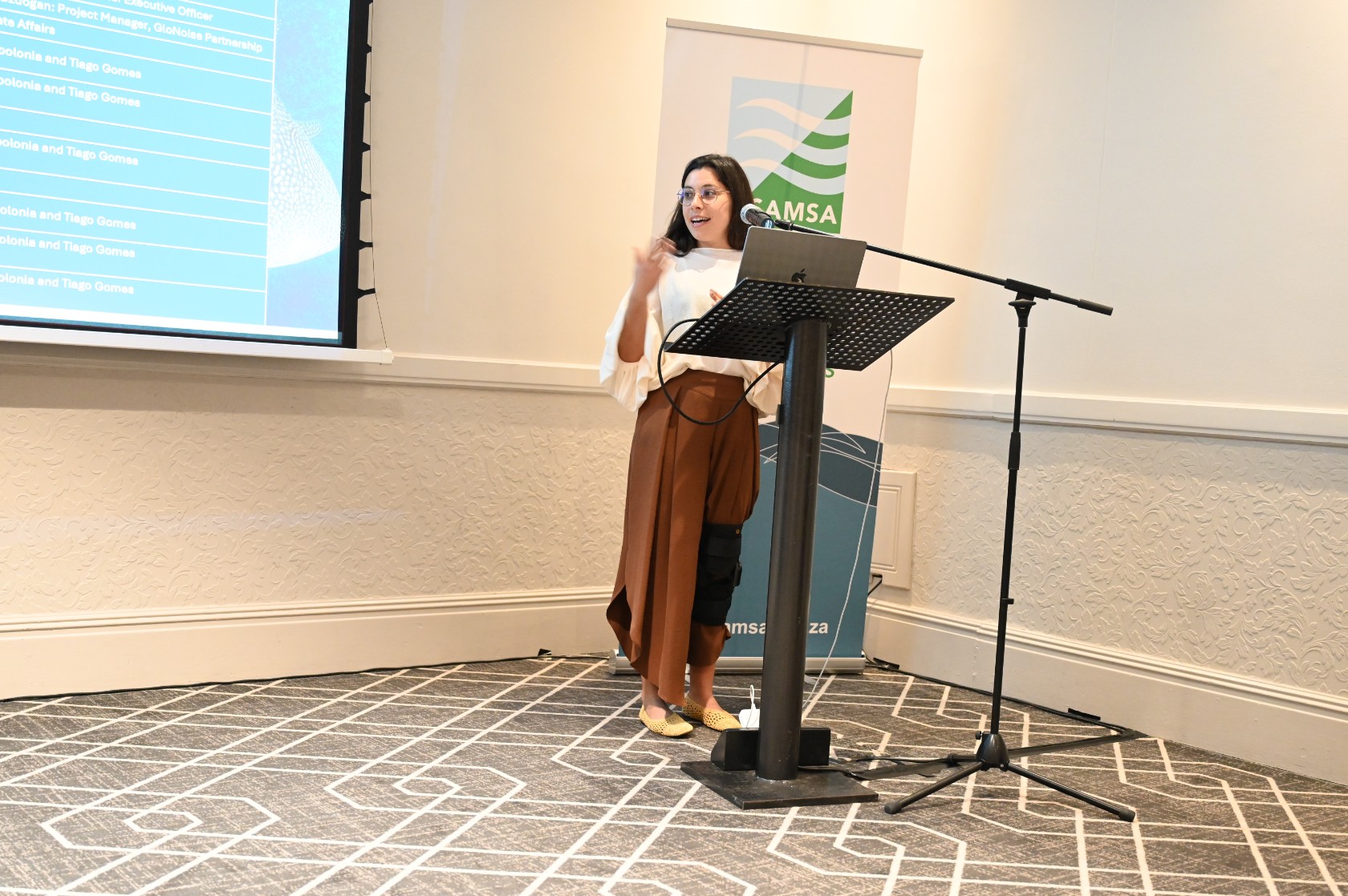
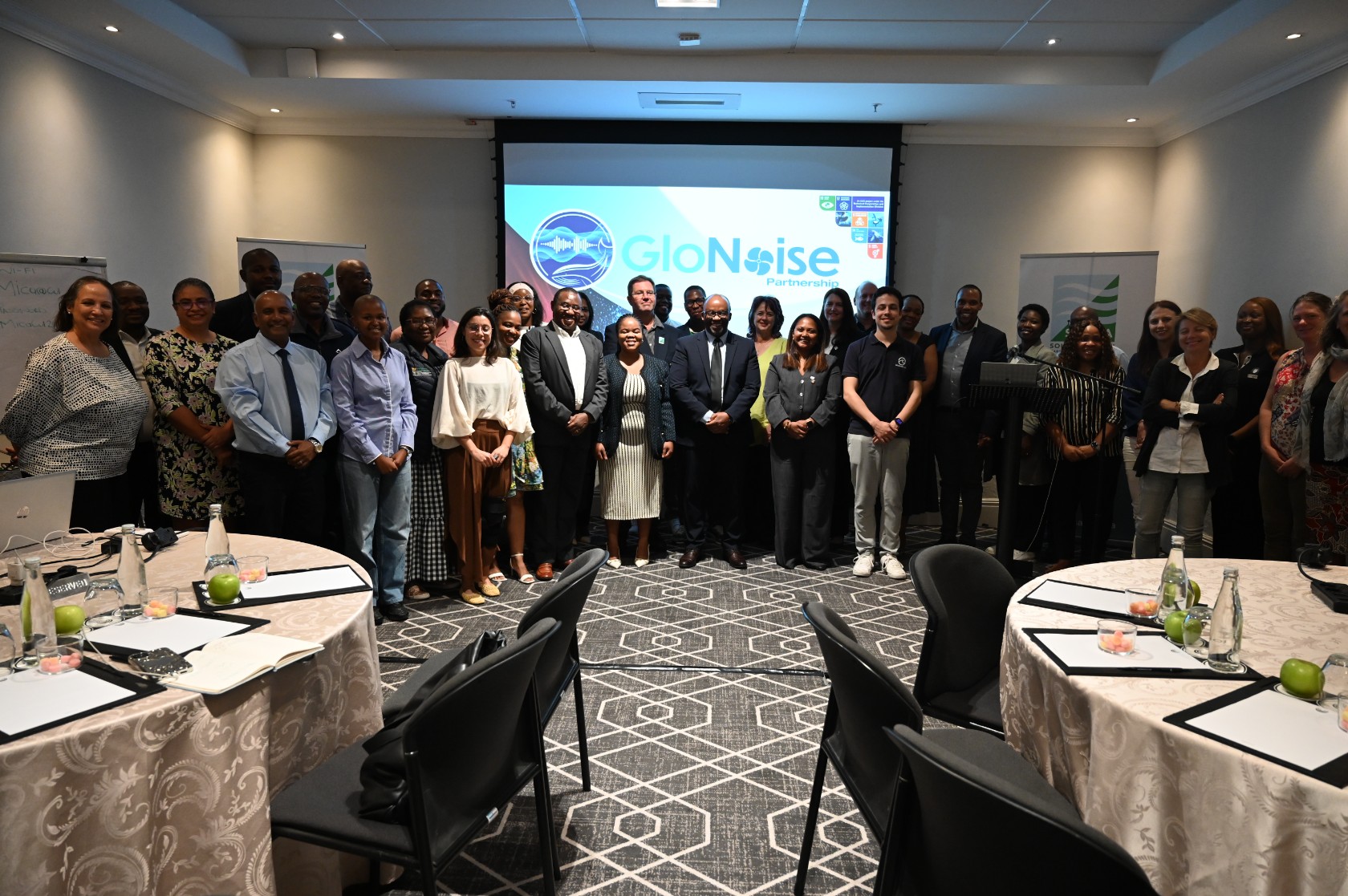
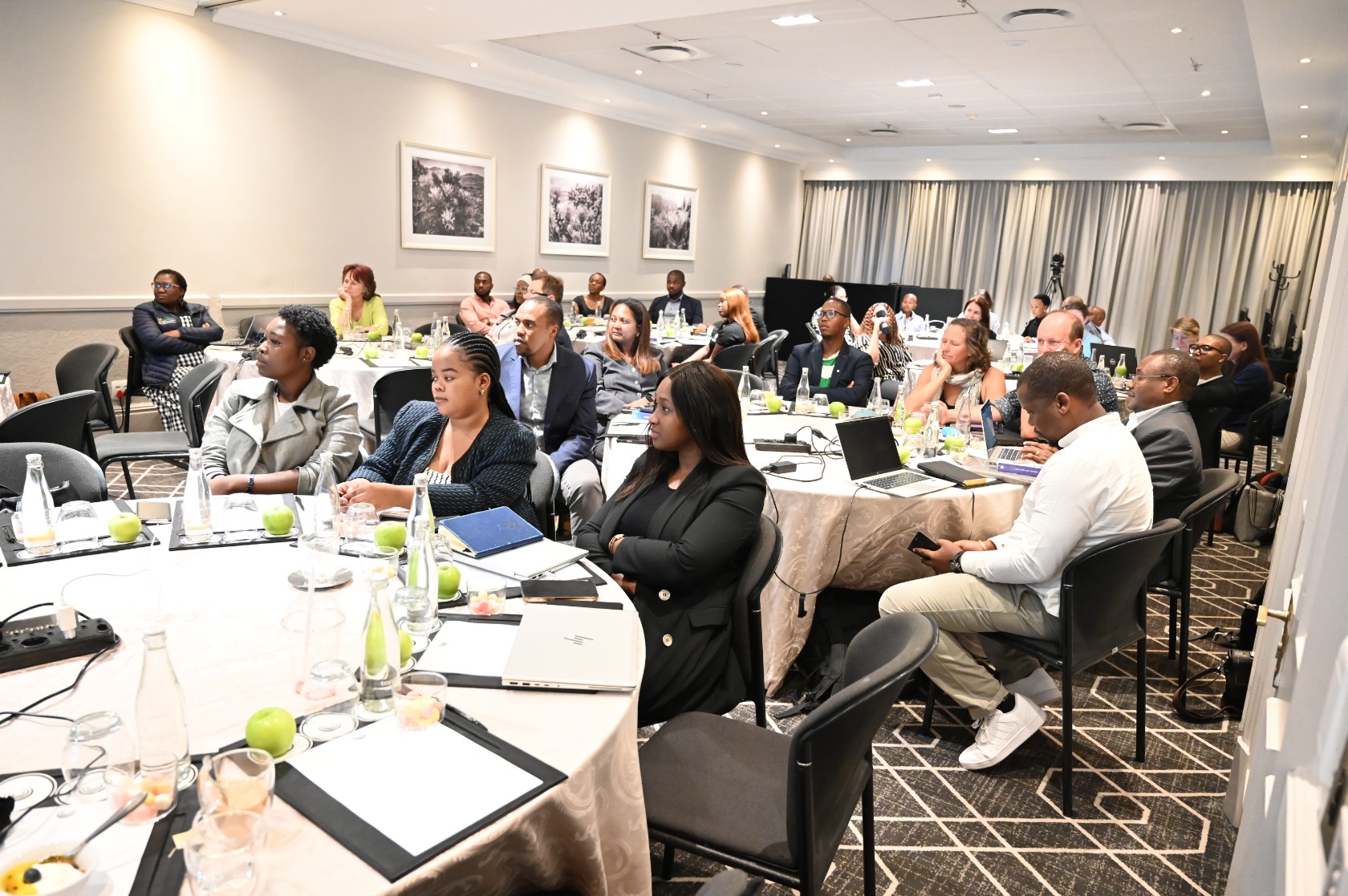
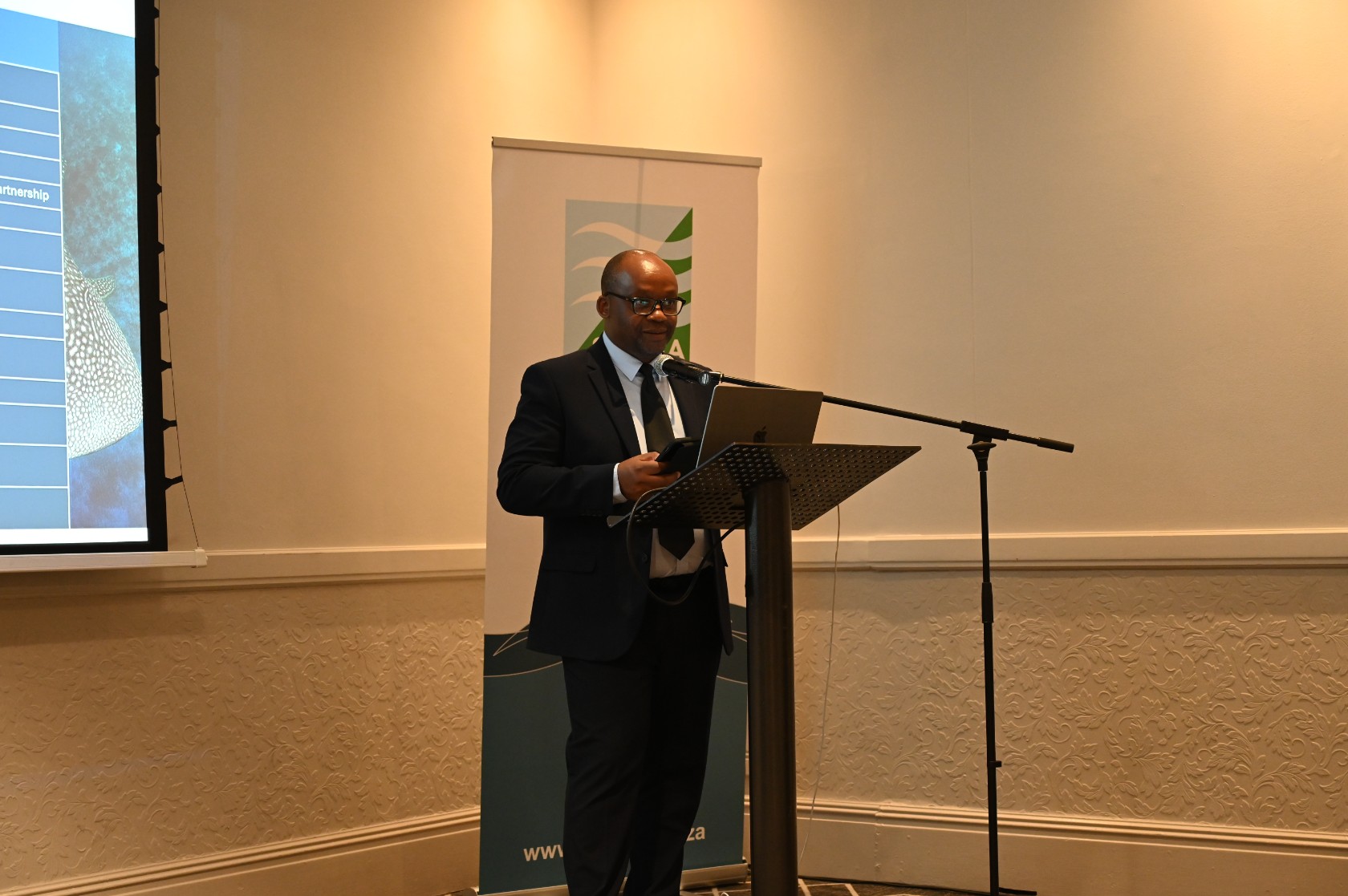
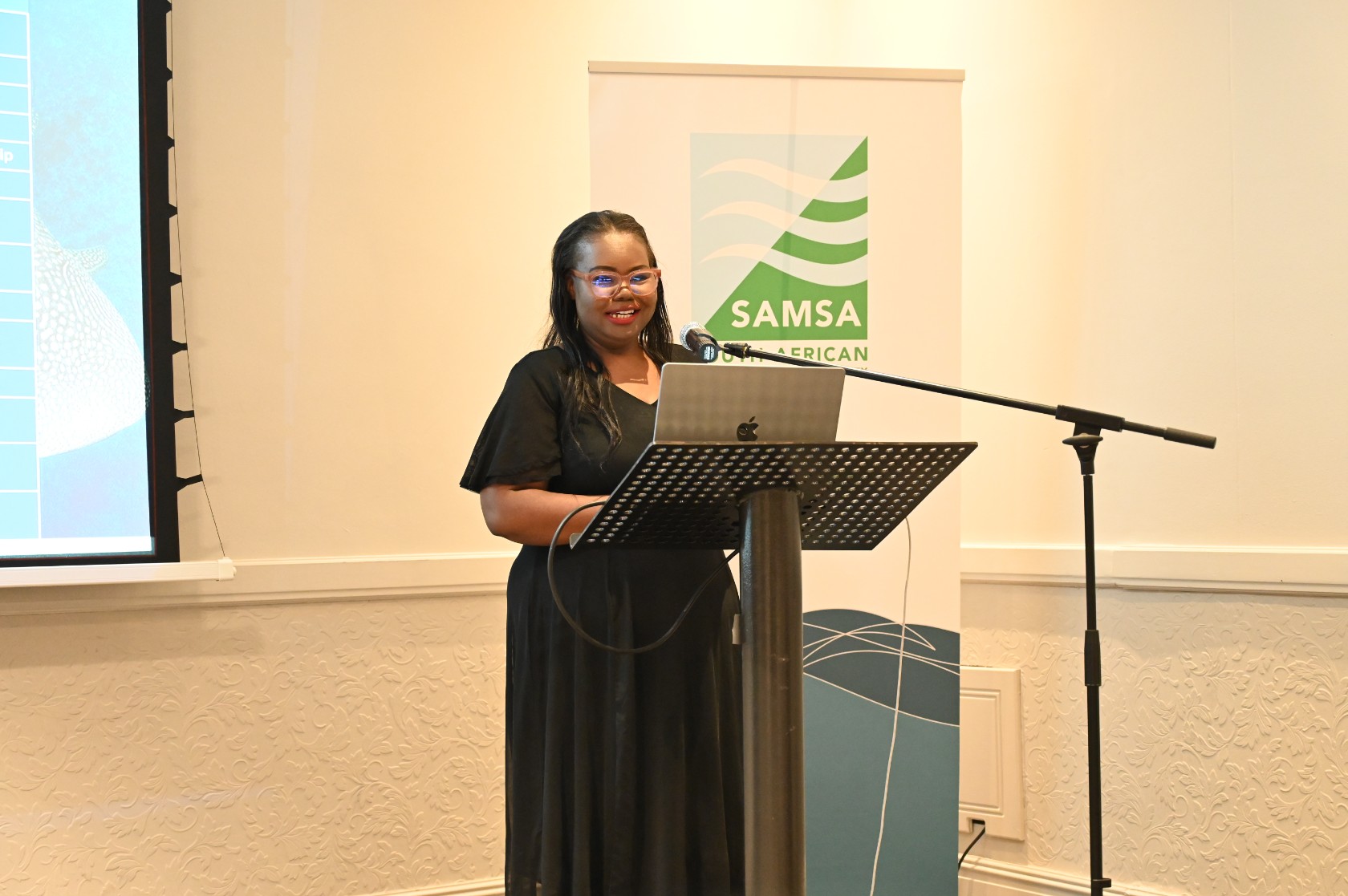
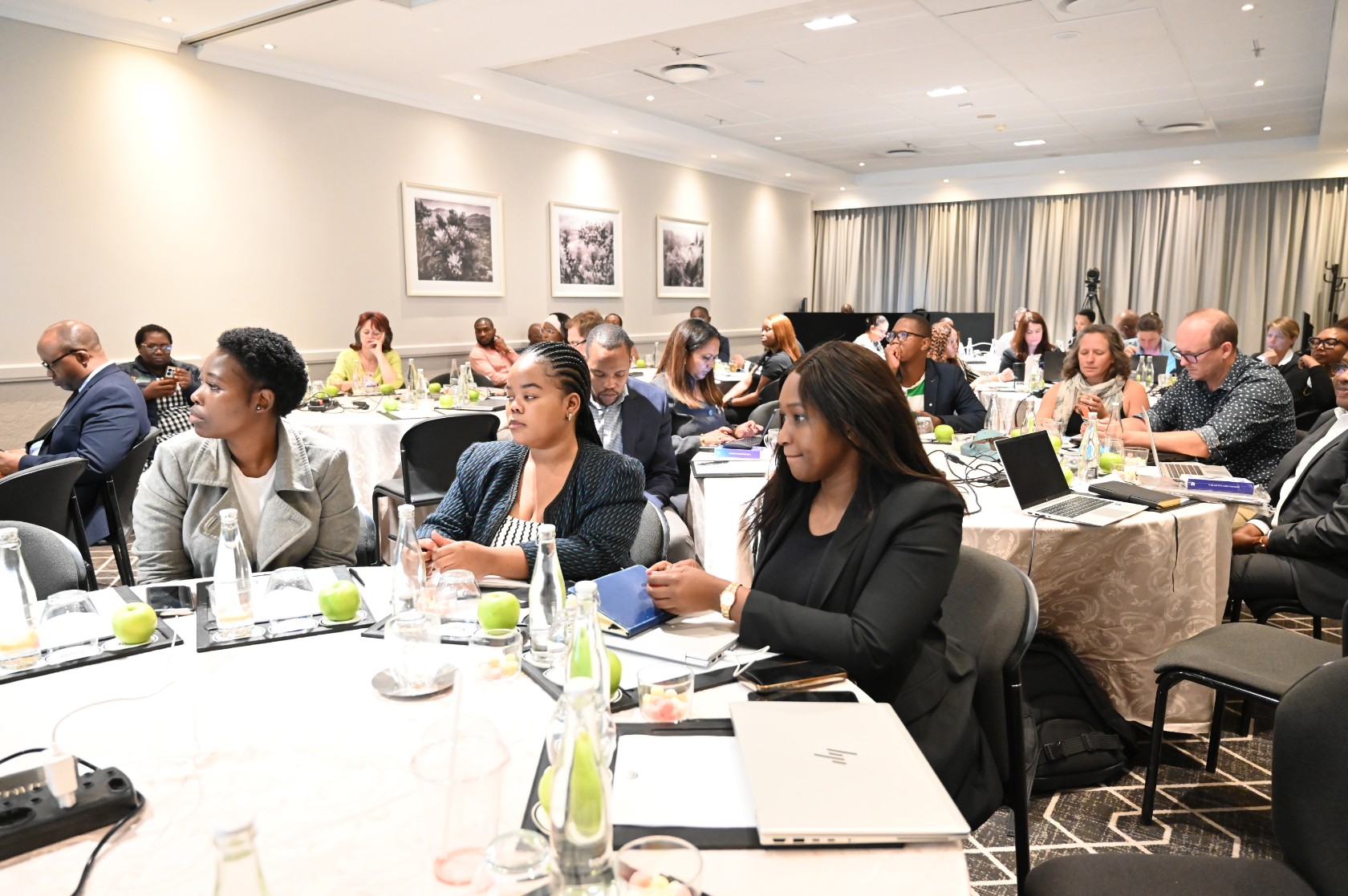
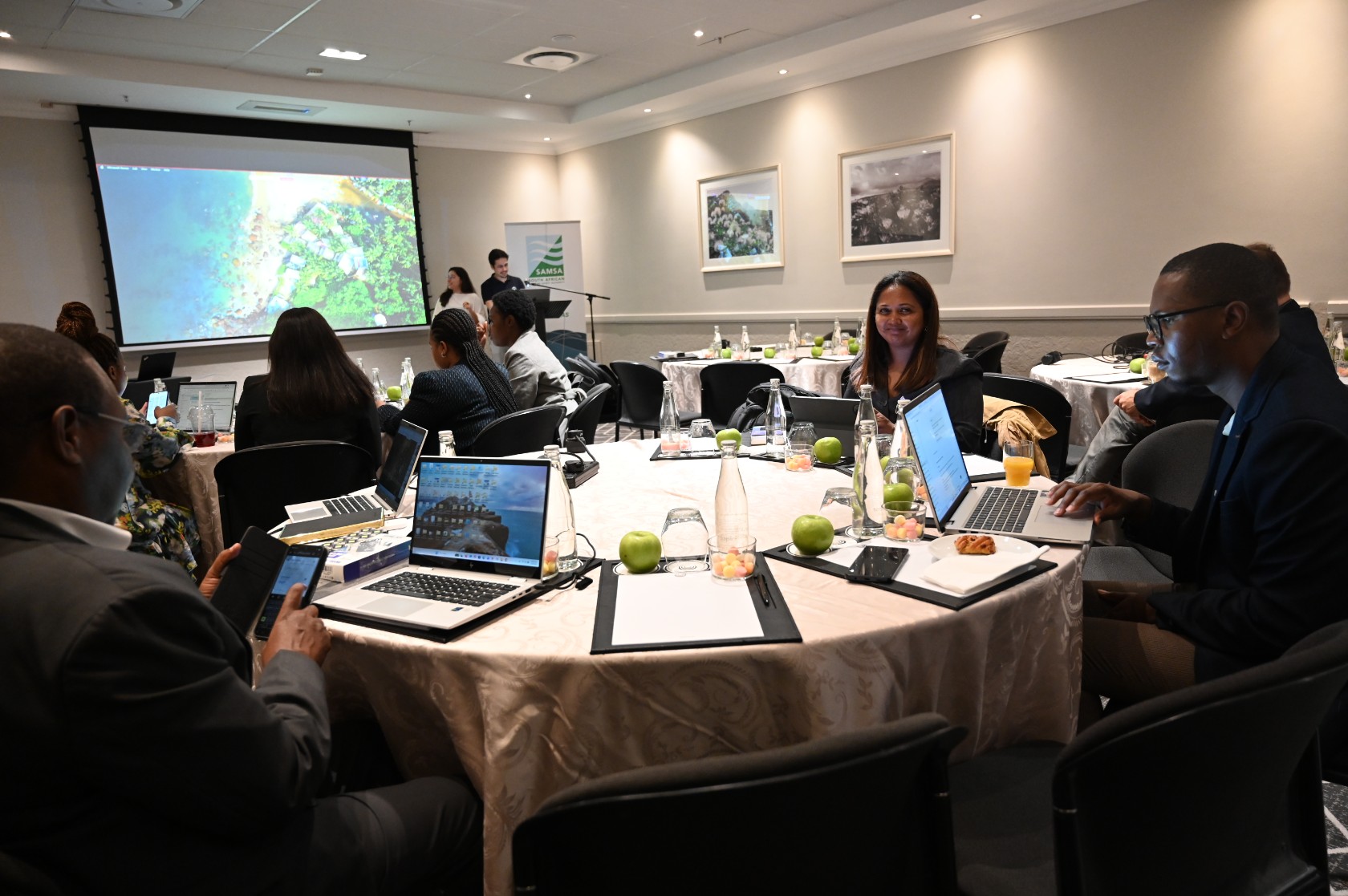
South Africa Workshop
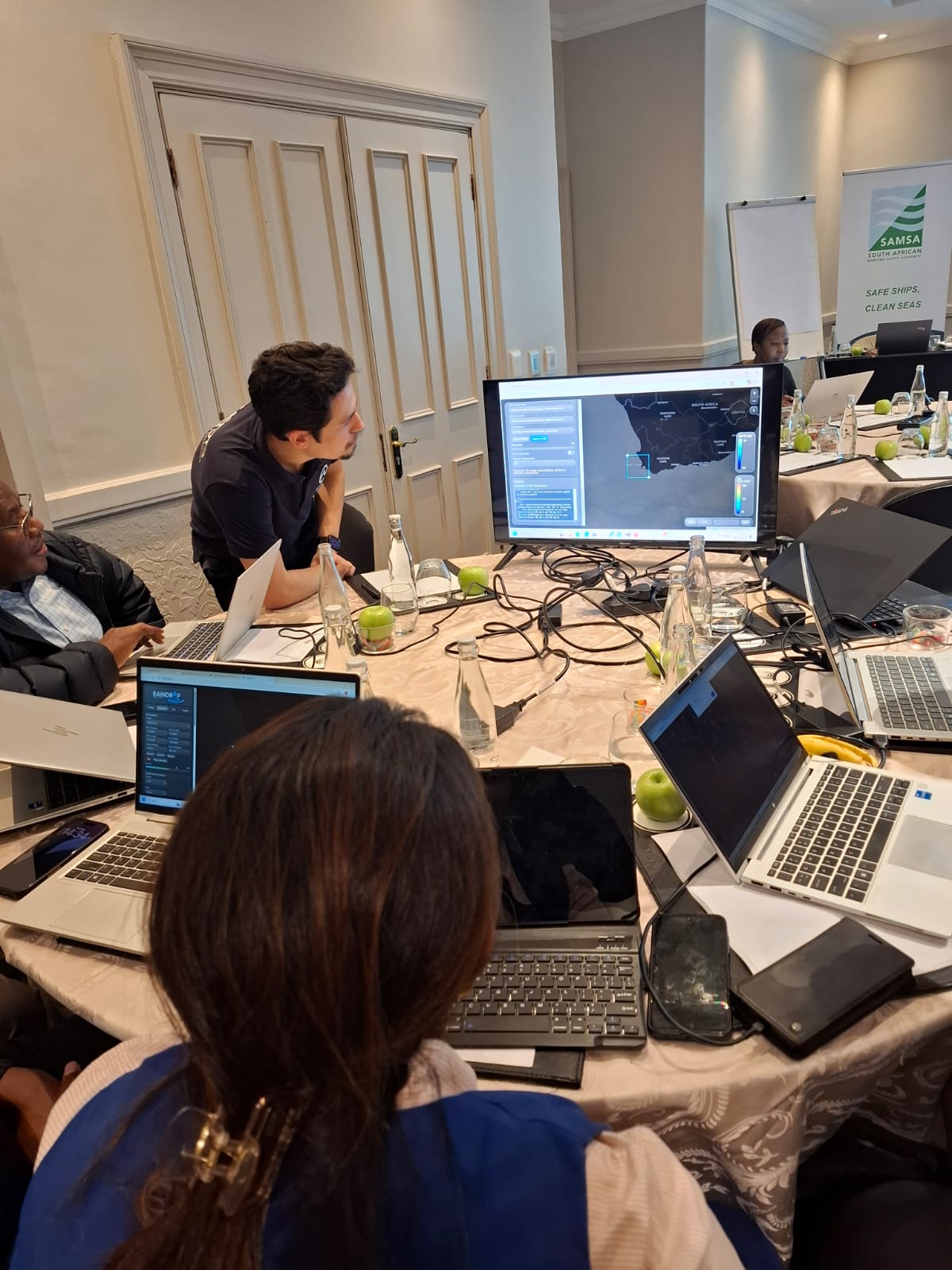
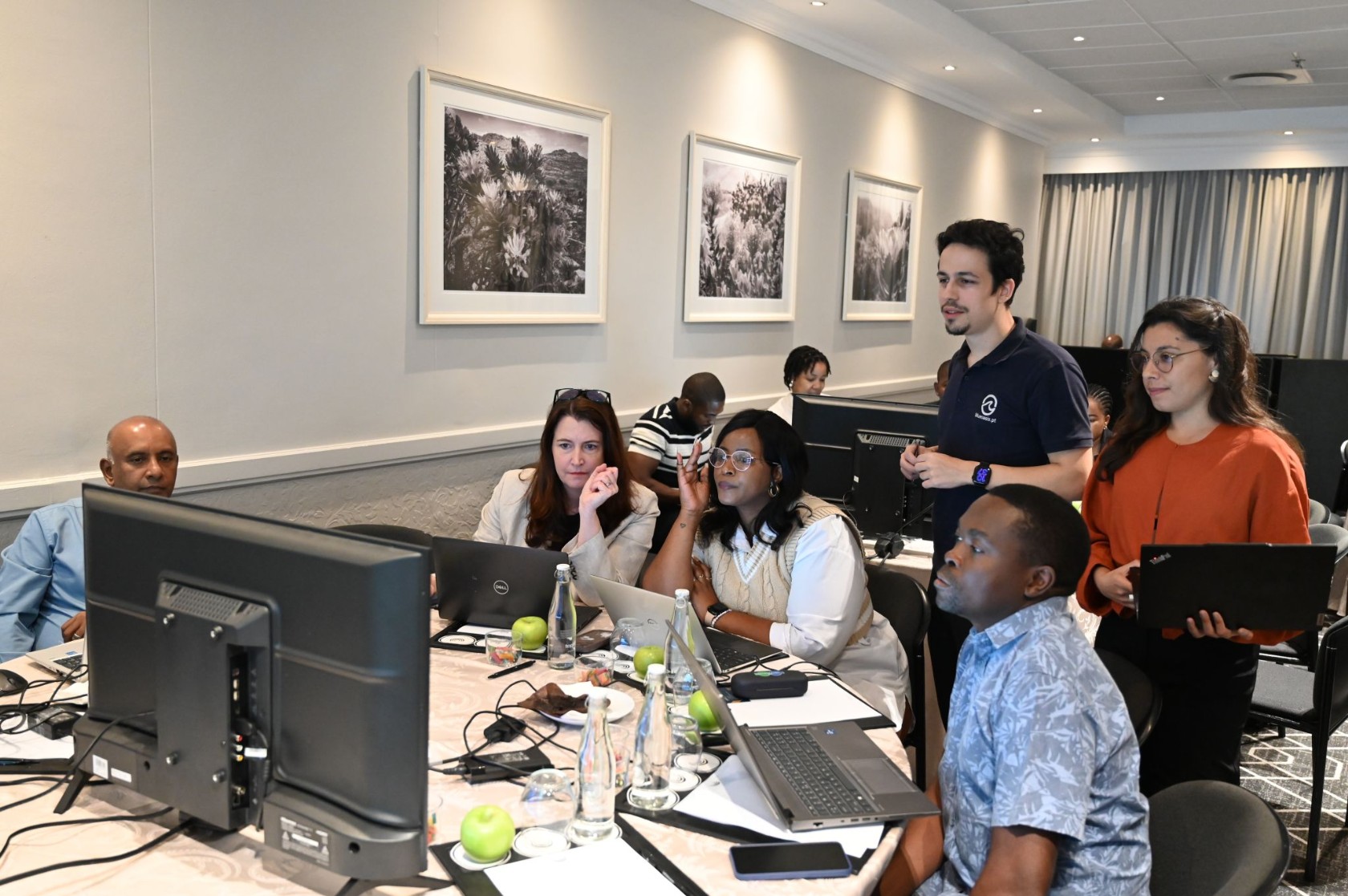
Day 1 centered around the URN Toolkit’s Level 1 and Level 2 components, covering foundational concepts in underwater acoustics and introductory risk assessment approaches. Sessions introduced participants to RAINDROP Lite, an application embedded in the Toolkit which quickly identifies risk zones and estimates the impacts of vessel noise in a given area using simplified inputs and first-principles analysis.
On day 2, we completed a deeper technical dive into the RAINDROP advanced tool. The sessions focused on the hands-on application of the tool to assess real-world scenarios in ecologically sensitive areas of South Africa, including Cape Town's Cape Peninsula and Robben Island. The session provided hands-on experience in scenario modelling, interpretation of outputs, and identification of potential reduction responses.
RAINDROP is a fully fledged underwater acoustic simulation model for detailed URN modelling, capable of processing complex marine data, including bathymetry, metocean information, and Automatic Identification System (AIS) data, to support detailed assessment of URN risks on habitats and species.
"It was inspiring to see such a diverse group of stakeholders in South Africa come together around shared solutions for quieter, more sustainable shipping." - Maria Apolonia, Senior Consultant
We extend our sincere thanks to our hosts and focal organisation, SAMSA, for hosting and supporting the workshop, to blueOasis for the strong collaboration and technical leadership, and to the GloNoise Project Coordination Unit for its coordination and oversight.
We greatly value the presence and input of all participants, whose insights and engagement will help shape the continued success of the project and support more sustainable stewardship of our oceans.