Aquatera and Partners Support PLN’s Energy Transition Capacity Building in Indonesia
Aquatera is pleased to mark the completion of a major energy transition capacity-building programme with PT PLN (Persero), Indonesia’s state electricity company. This programme took place through a project of the Southeast Asia Energy Transition Partnership, a programme of the United Nations Office for Project Services, with consortium partners PPSDM KEBTKE, Heriot-Watt University, and Institut Teknologi Sepuluh Nopember.
The project supported PLN’s efforts to strengthen internal capability for Indonesia’s energy transition through leadership development, technical upskilling, international exposure, and the integration of Gender Equality and Social Inclusion (GESI) considerations.
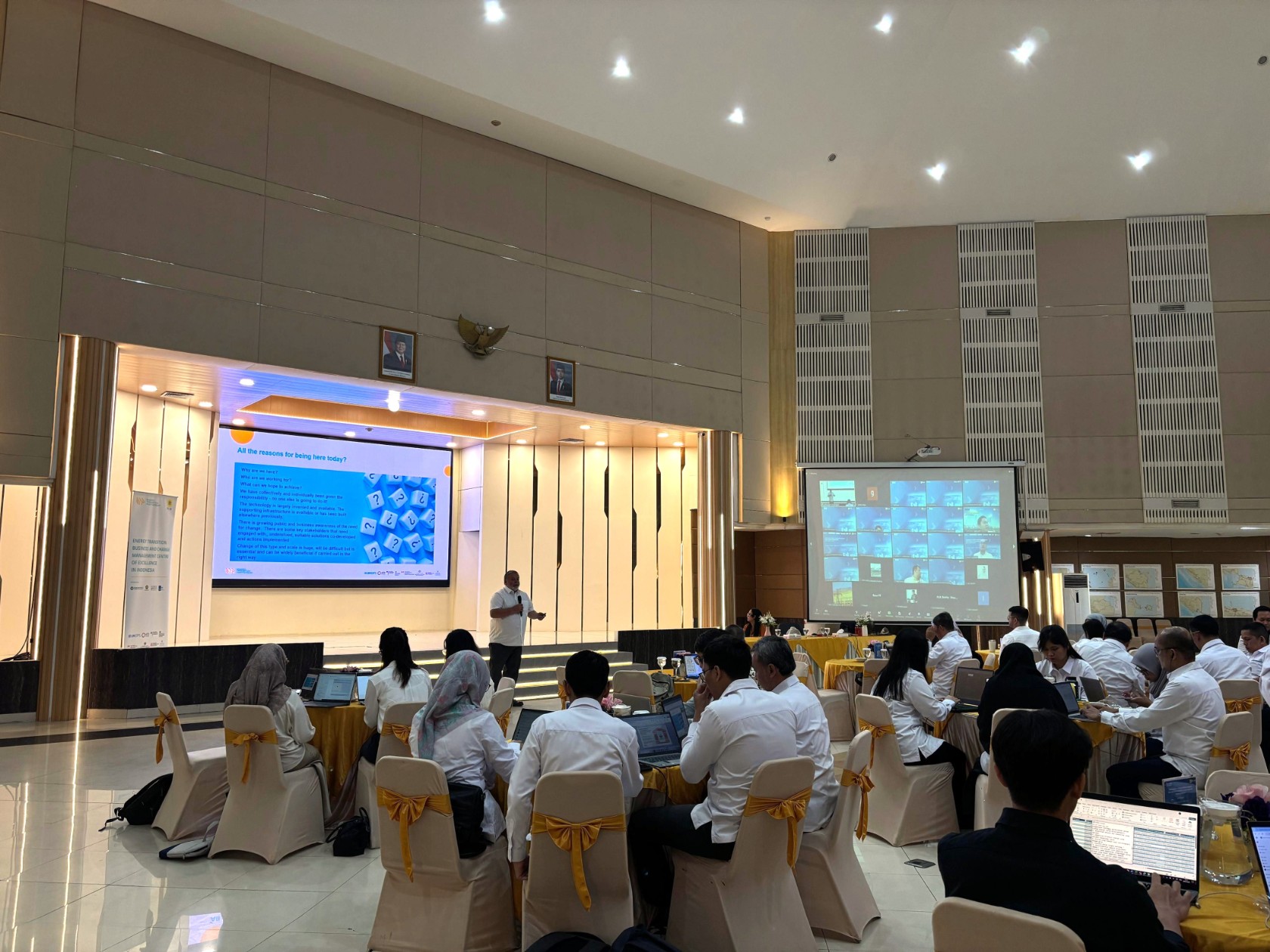
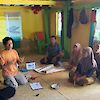
Delivered across three interconnected programmes, the initiative combined business and change management training, technical energy transition modules, and exposure to international best practices. Together, these elements helped build strategic, operational, and technical capacity among PLN personnel, while creating stronger links between learning, innovation, and implementation.
Between March and November 2025, the project delivered 101 training materials to more than 100 mid-career to senior-level professionals and nearly 300 early- to mid-career professionals. A key achievement was the formal adoption of the curriculum by PLN’s Corporate University and its integration into PLN’s Learning Management System, providing a sustainable platform for future staff development.
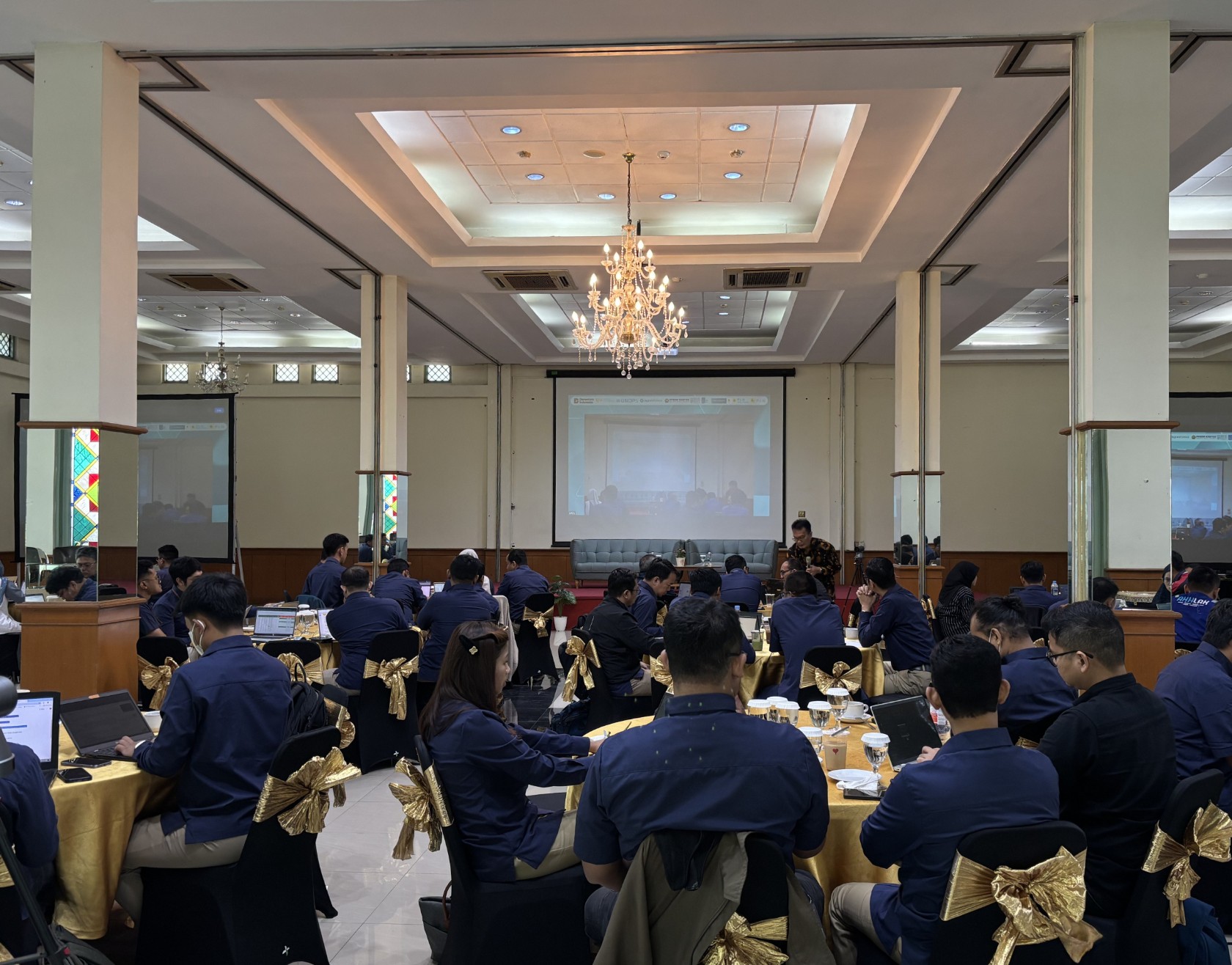
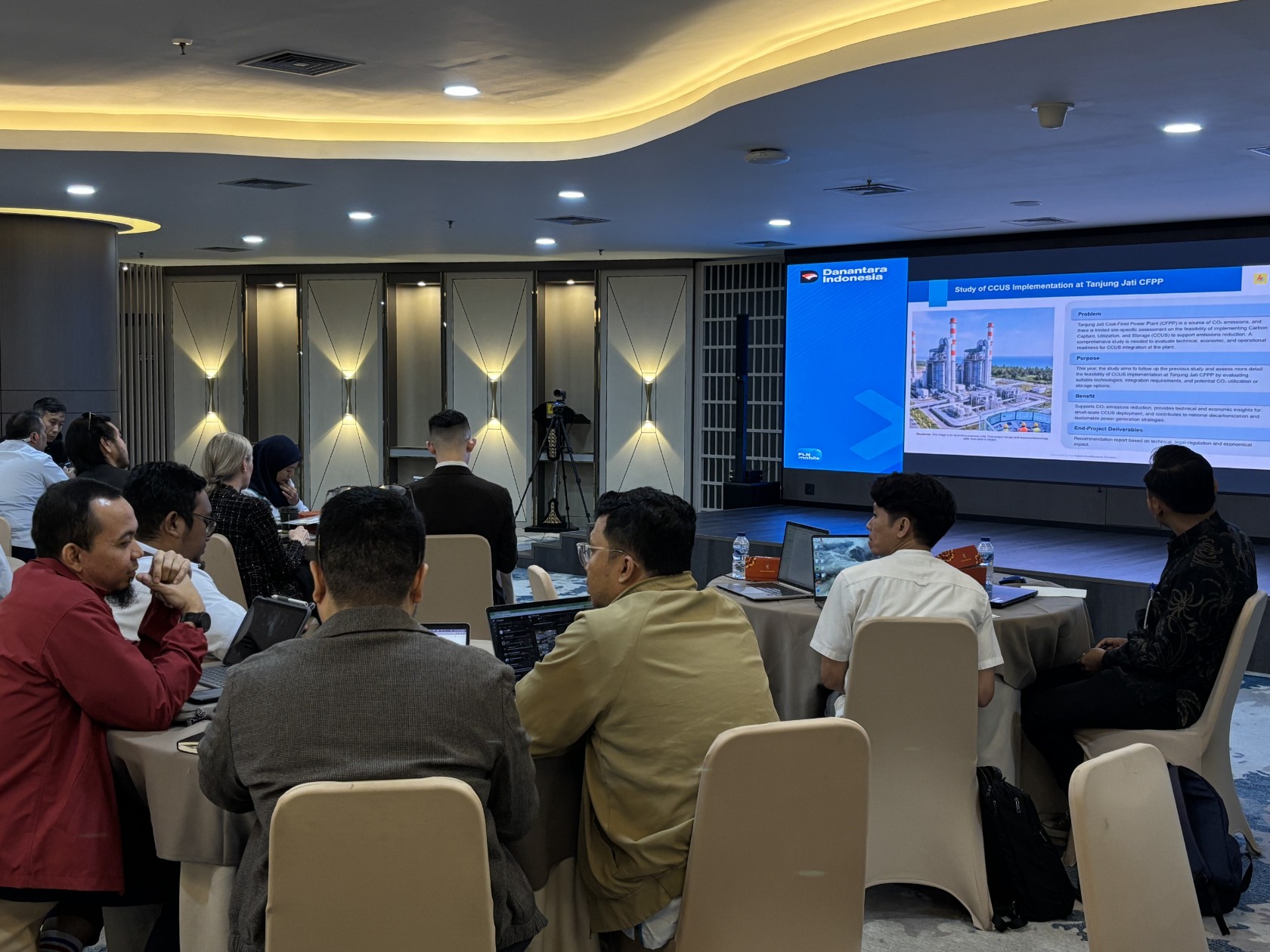
The project also supported the development of seven participant-led business ideas and innovations across PLN units. These were presented during PLN’s COLONY Summit in November 2025, where they received feedback from PLN leadership and partners, helping create visibility and potential pathways for future scale-up.
International engagement formed another important part of the programme. Through best-practice reviews, stakeholder mapping, project showcase preparation, matchmaking, and follow-up discussions, PLN teams were connected with external institutions and potential international partners.
GESI was embedded through a contextual “soft-entry” approach, integrating inclusion into leadership, technical, and business innovation activities rather than treating it as a standalone topic. This helped connect equality and inclusion with PLN’s operational realities, organisational processes, and wider energy transition goals.
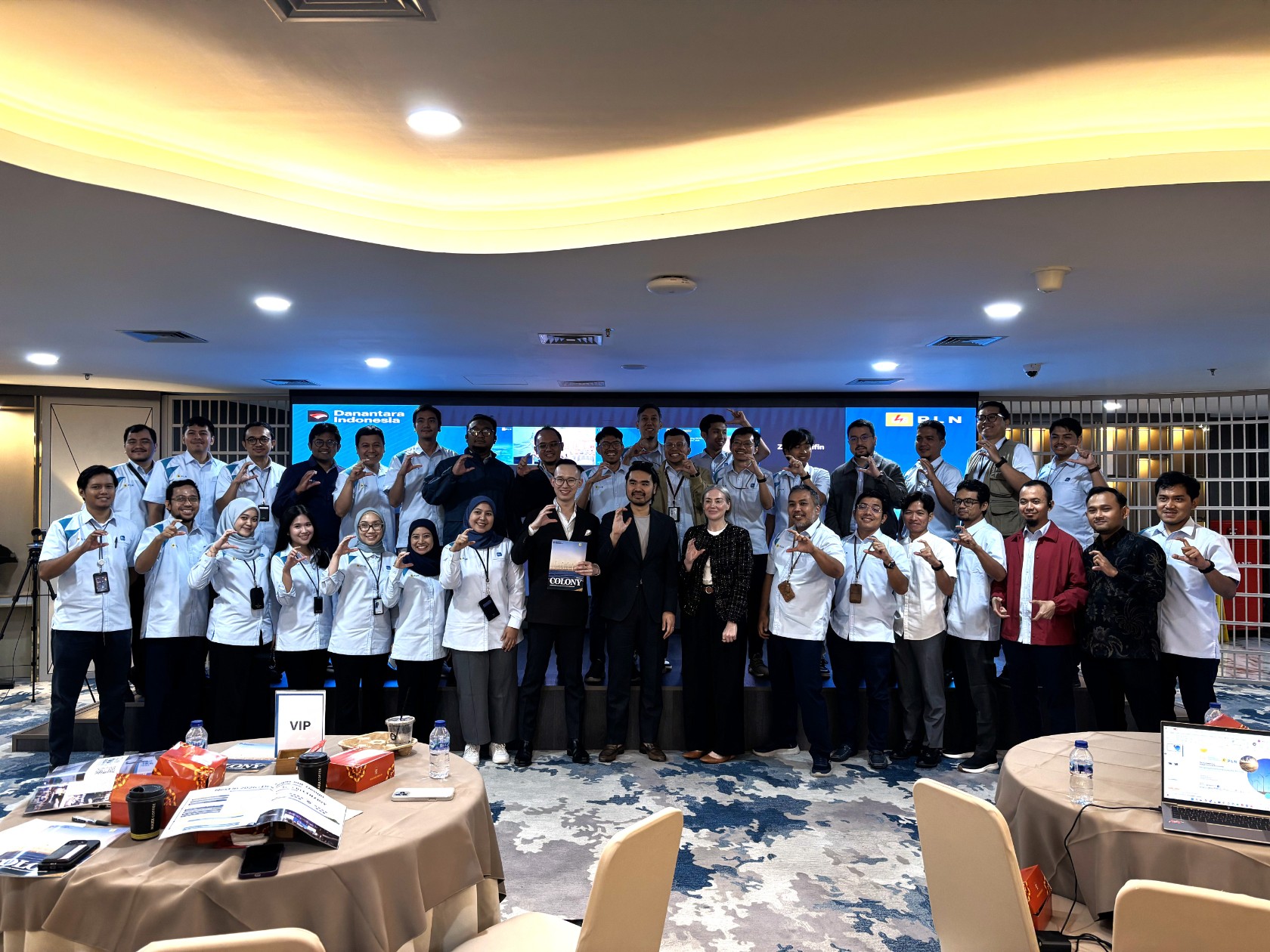
Suparyanto, the Executive Vice President of Talent Development at PT PLN (Persero), highlighted the value of the collaboration in strengthening PLN’s leadership and technical capabilities. He also emphasised that integrating the materials into PLN’s Learning Management System and Sustainability Academy initiative is central to ensuring long-term, systematic human resource development.
The project demonstrates that effective energy transition capacity building requires more than training alone. It depends on the combination of structured learning, practical application, institutional ownership, collaborative innovation, and access to international knowledge and partnerships.
Aquatera is proud to have contributed to this important collaboration and extends its appreciation to PLN, ETP-UNOPS, PPSDM KEBTKE, Heriot-Watt University, Institut Teknologi Sepuluh Nopember, and all participating professionals. The programme has established a strong foundation for future replication, scale-up, and continued support for Indonesia’s transition towards a cleaner, more inclusive, and more resilient energy future.